

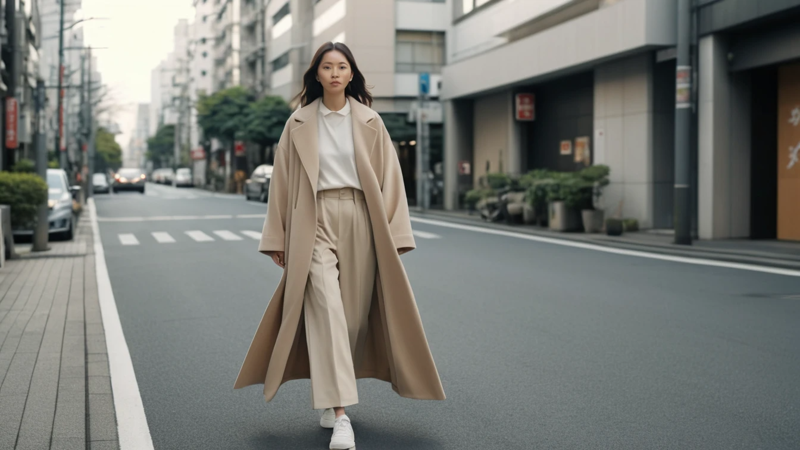
Japanese womens fashion blends tradition and modern style. Discover trends, outfits, and tips to elevate your wardrobe effortlessly.
Japanese women’s fashion is a mix of bold creativity, minimal elegance, and cultural influence. It ranges from sleek minimalist outfits to colorful street styles seen in Tokyo. This style is known for layering, attention to detail, and expressing individuality through clothing choices.
Japanese Womens Fashion: A Complete Style Guide 👘✨
Ever wondered why Japanese women always seem effortlessly stylish, even in the simplest outfits?
Japanese womens fashion stands out because it blends tradition with modern trends. From oversized streetwear to elegant kimono-inspired looks, it allows women to express personality without following strict fashion rules. It focuses on balance, comfort, and creativity.
What Makes Japanese Womens Fashion Unique 🌸
Japanese fashion is not just about clothing. It reflects lifestyle, culture, and individuality. Women in Japan often dress to express mood rather than trends.
Another key feature is attention to detail. Even a simple outfit includes layered textures or subtle accessories. This creates depth without making the look overwhelming.
The Influence Of Japanese Culture On Fashion 🎎
Traditional culture plays a strong role in modern fashion. Elements like kimono sleeves or obi belts appear in everyday outfits.
At the same time, Japanese women embrace modern trends. This creates a unique mix of old and new styles that feels fresh and timeless.
Popular Japanese Fashion Styles You Should Know 👗
Japanese fashion includes many distinct styles. Each reflects a different personality and aesthetic.
Some popular styles include:
- Harajuku Style: Bold, colorful, and experimental
- Minimalist Style: Clean, neutral, and simple
- Kawaii Fashion: Cute, playful, and youthful
- Mode Style: Dark, edgy, and high-fashion
Each style allows women to express themselves freely.
Tokyo Street Style Trends 🔥
Tokyo street fashion is globally admired. It is creative, unpredictable, and constantly evolving.
Women often mix luxury brands with thrift pieces. This creates a unique look that feels personal and stylish.
Key Elements Of Japanese Womens Fashion 🧥
Japanese outfits often include a few signature elements. These define the overall look.
- Layering different textures
- Neutral or pastel color palettes
- Loose and oversized silhouettes
- Unique accessories
These elements create balance and visual interest.
Oversized Clothing Trend In Japan 👚
Oversized fashion is very popular in Japan. It offers comfort while looking stylish.
Loose sweaters, wide-leg pants, and baggy shirts are common. They create a relaxed yet fashionable vibe.
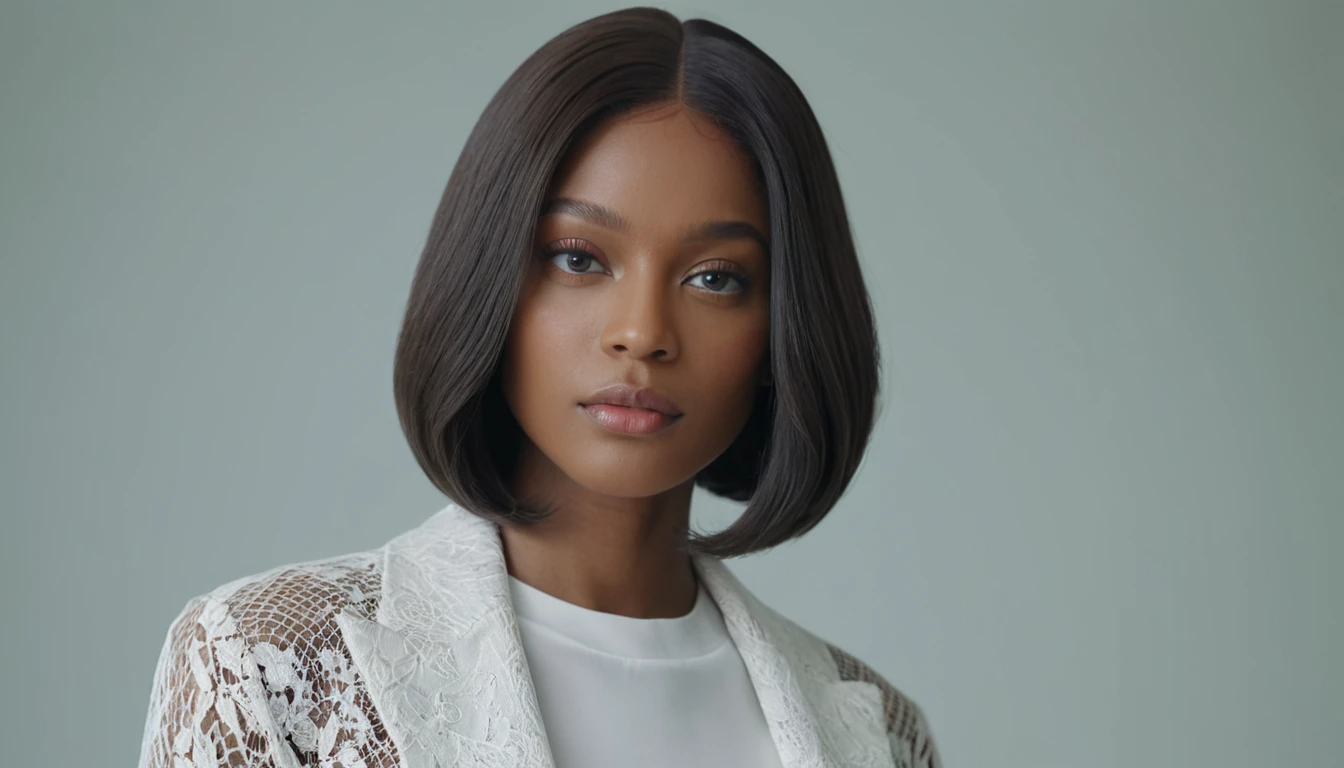
Minimalist Japanese Fashion Style 🤍
Minimalism is a major part of Japanese fashion. It focuses on simplicity and quality.
Women often wear neutral colors like black, white, and beige. Clean lines and subtle details make the outfit elegant.
Harajuku Fashion Explained 🎨
Harajuku fashion is bold and creative. It breaks all traditional fashion rules.
Women mix bright colors, patterns, and accessories. The goal is self-expression, not perfection.
Kawaii Fashion: Cute And Playful Style 🐰
Kawaii fashion is all about cuteness. It includes pastel colors, frills, and playful designs.
This style often features:
- Skirts with bows
- Cartoon prints
- Soft fabrics
It creates a fun and youthful appearance.
Traditional Meets Modern Fashion 👘
Modern Japanese fashion often includes traditional elements. This creates a unique hybrid style.
For example, a kimono jacket paired with jeans looks modern yet cultural. This blend is a signature Japanese fashion trait.
Seasonal Trends In Japanese Fashion 🌦️
Fashion in Japan changes with seasons. Each season has its own style.
| Season | Popular Items | Style Focus |
| Spring | Light dresses | Soft colors |
| Summer | Loose outfits | Breathable fabrics |
| Fall | Layered clothing | Warm tones |
| Winter | Coats & scarves | Textured layers |
Seasonal dressing keeps outfits fresh and functional.
Accessories That Define The Look 👜
Accessories play a big role in Japanese fashion. They complete the outfit.
Popular accessories include:
- Structured handbags
- Minimal jewelry
- Hats and scarves
- Statement shoes
Even simple outfits look stylish with the right accessories.
Footwear Trends In Japan 👠
Shoes are an important part of the outfit. Japanese women often choose comfort and style.
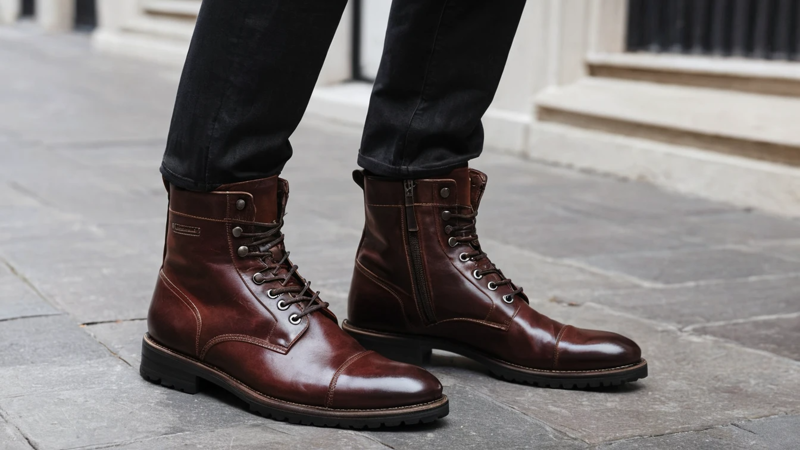
Popular options include sneakers, platform shoes, and ankle boots. These add personality to any look.
Layering Techniques In Japanese Fashion 🧣
Layering is a key styling trick. It adds depth and dimension to outfits.
Women often layer shirts, jackets, and scarves. This creates a stylish and practical look.
Color Palettes Used In Japanese Fashion 🎨
Colors play a big role in defining the outfit. Japanese fashion uses both subtle and bold palettes.
| Style Type | Common Colors | Effect |
| Minimalist | Black, white | Clean and elegant |
| Kawaii | Pink, pastel | Cute and soft |
| Street Style | Neon, mixed | Bold and expressive |
Choosing the right colors enhances the overall look.
Japanese Workwear Fashion For Women 💼
Workwear in Japan is simple and polished. It focuses on professionalism and comfort.
Women often wear:
- Blouses with skirts
- Tailored pants
- Neutral blazers
This creates a clean and professional appearance.
Sustainable Fashion Trends In Japan 🌱
Sustainability is growing in Japanese fashion. Many women prefer quality over quantity.
They invest in long-lasting pieces and avoid fast fashion. This makes their wardrobe more eco-friendly.
How To Dress Like Japanese Women 👗✨
You don’t need to live in Japan to adopt this style. You can easily recreate it.
Follow these steps:
- Choose neutral base pieces
- Add layers for depth
- Use minimal accessories
- Focus on comfort and fit
- Mix modern with traditional elements
This approach creates an authentic Japanese-inspired look.
Must-Have Wardrobe Essentials 🧺
Certain items are key to Japanese fashion. These basics help build versatile outfits.
| Item | Why It’s Essential | Styling Tip |
| Oversized Shirt | Comfortable | Pair with slim pants |
| Wide-Leg Pants | Trendy | Add fitted top |
| Neutral Coat | Versatile | Layer over anything |
| Simple Sneakers | Practical | Works daily |
These essentials make styling easier.
Common Mistakes To Avoid ❌
Avoid these mistakes when trying Japanese fashion:
- Over-accessorizing
- Ignoring fit and comfort
- Mixing too many bold elements
- Not balancing proportions
Keeping things balanced is key.
Why Japanese Womens Fashion Is Globally Loved 🌍
Japanese fashion inspires designers worldwide. Its creativity and flexibility make it unique.
It allows women to express identity without limits. This freedom is what makes it so appealing.
Conclusion 🌟
Japanese womens fashion is a perfect blend of creativity, simplicity, and cultural influence. It encourages individuality while maintaining balance and elegance. Whether you prefer minimalist looks or bold street styles, this fashion approach offers something for everyone. By focusing on layering, comfort, and subtle details, you can easily incorporate Japanese fashion into your daily wardrobe.
FAQs
What Is Japanese Womens Street Fashion Style?
Japanese street fashion is creative and expressive. It mixes bold colors, layers, and unique pieces. It reflects individuality rather than trends.
How To Dress Like Japanese Women Daily?
Start with neutral basics and add layers. Choose comfortable and loose-fitting clothes. Keep accessories simple and balanced.
Why Is Japanese Fashion So Unique?
It blends traditional and modern styles. It focuses on detail, comfort, and self-expression. This creates a distinct fashion identity.
What Are Popular Japanese Clothing Brands?
Many brands focus on minimalism and quality. Some emphasize streetwear and bold styles. Each brand reflects a different aesthetic.
Is Japanese Fashion Suitable For All Ages?
Yes, it is very versatile. Styles range from playful to elegant. Women of all ages can adapt it to their preferences.
Leave a Reply